26 November 2026
Which Flowers Are Safe Around a Client's Cats?
Presented by @petaljournal78
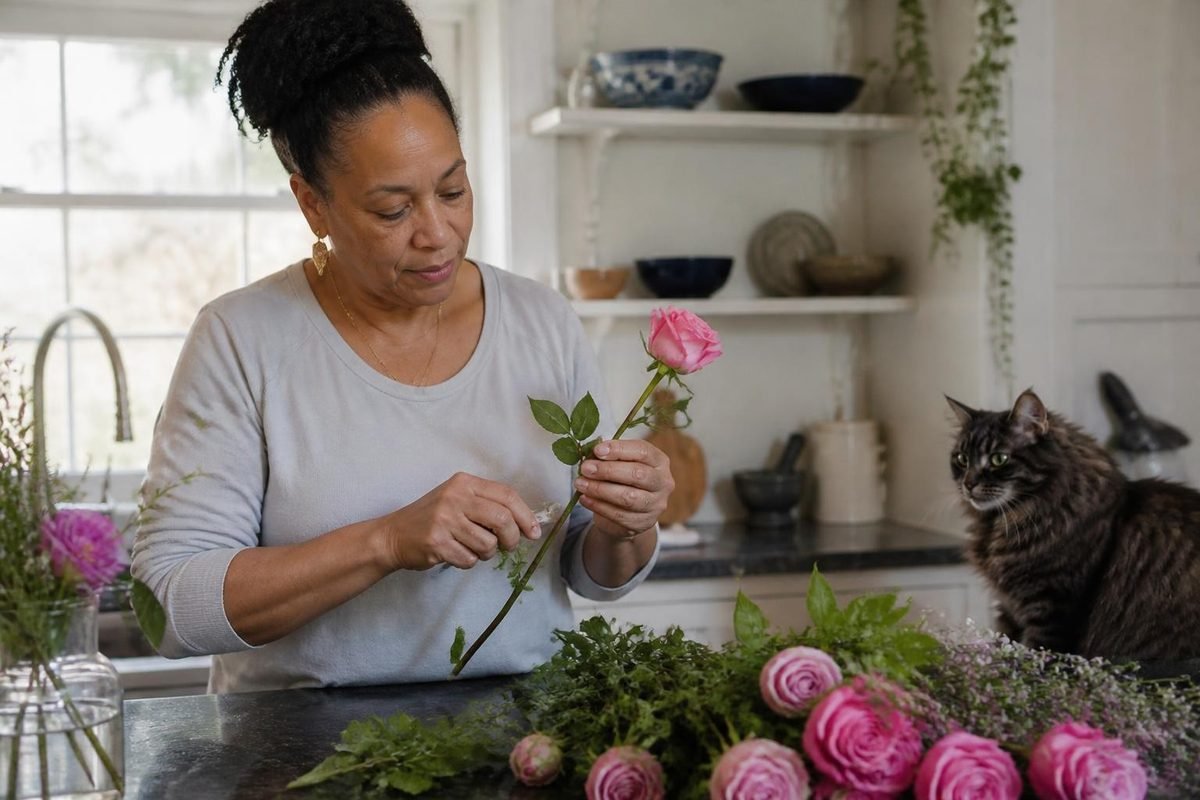
Roses, gerbera daisies, snapdragons, sunflowers, zinnias and Phalaenopsis orchids are generally considered nontoxic to cats. Choose an arrangement made entirely from cat safe plants, and keep it out of reach because even nontoxic flowers can cause an upset stomach if eaten.
Flowers to choose
Roses are a useful choice for a bouquet, and their petals are not considered toxic to cats. Remove the thorns before arranging them. A cat that bites or paws at a thorny stem could hurt its mouth or skin.
Gerbera daisies, snapdragons and zinnias offer other options for a mixed arrangement. Sunflowers are also considered nontoxic, although their large heads and sturdy stems may need a stable vase. Phalaenopsis orchids, sometimes called moth orchids, can work as a potted gift or as cut stems.
Use the full plant name when checking a flower. Common names can refer to different plants, and a familiar name does not always tell you what is in the bouquet. If the seller cannot identify a flower, leave it out.
Flowers and fillers to avoid
Do not send lilies or daylilies to a home with cats. These flowers can cause severe kidney injury. Pollen, petals, leaves and even water from a vase containing lilies can be dangerous if a cat is exposed.
Other flowers to avoid include tulips, daffodils, chrysanthemums and carnations. Baby's breath, often used as a delicate white filler, is also toxic to cats. A bouquet of safe roses is not a safe choice if it contains an unsafe filler.
Check every stem and leaf, not just the main flowers. Greenery is part of the arrangement too, and some foliage can be toxic. Ask for identified, cat safe greenery or request flowers without added foliage.
Make the arrangement safer
Tell the florist that the recipient has cats and ask for the name of each plant in the arrangement. Avoid decorative items a cat could swallow, such as ribbon, and do not assume that a flower food packet is safe to leave where a cat can reach it.
Ask the recipient to place the vase on a stable surface the cat cannot reach. This helps prevent spills, broken glass and access to plant material. Remove dropped petals and leaves promptly, and change the vase water regularly.
Flowers may also carry pesticide residues. Nontoxic describes the plant itself, not any chemicals applied to it. Keeping the arrangement away from a cat is still the safest approach.
If a cat eats a flower
Contact a veterinarian promptly if the cat chews a flower and you are unsure what it is, or if the cat shows signs such as vomiting or drooling. Keep the plant name and a sample or photograph available to help identify it.
If a cat may have contacted a lily or daylily, seek veterinary help immediately rather than waiting for symptoms. Do not try to make the cat vomit unless a veterinarian tells you to do so.
A simple bouquet of identified, cat safe flowers is a considerate gift, especially when every filler and leaf has been checked.
Keep reading: check this out